Smartwatch Buying Guide 2026: Find Your Perfect Wrist Companion
Everything you need to know about choosing a smartwatch in 2026. We cover health features, battery life, compatibility, and finding the best value for your needs.

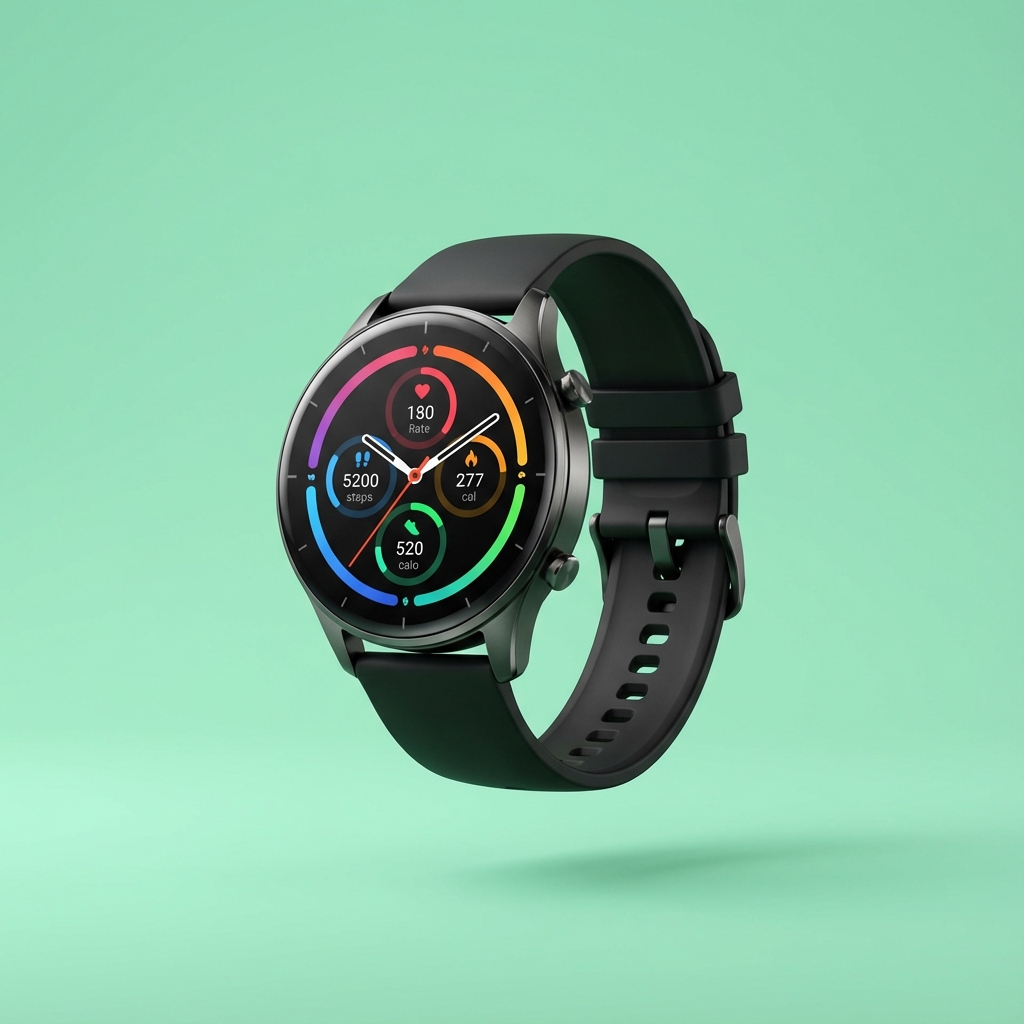
Smartwatches have evolved from simple fitness trackers into sophisticated health monitors, communication devices, and lifestyle companions. With options ranging from $50 budget watches to $800 luxury timepieces, finding the right one requires understanding what features actually matter for your lifestyle.
This comprehensive guide will help you navigate the smartwatch landscape and find the perfect device for your wrist.
What Do You Actually Need From a Smartwatch?
Before diving into technical specifications, reflect on why you want a smartwatch. Your priorities should drive your decision.
Health and Fitness Tracking
For many buyers, health features are the primary draw:
Heart rate monitoring has become standard, but accuracy varies significantly between devices. Premium watches use more advanced optical sensors that provide more reliable readings, especially during exercise.
Sleep tracking helps you understand your rest quality. Basic versions track time asleep, while advanced systems analyze sleep stages and provide actionable insights.
Blood oxygen monitoring (SpO2) measures oxygen saturation. Useful for athletes training at altitude or those monitoring respiratory health, though not medical-grade.
ECG functionality can detect irregular heart rhythms and potentially identify atrial fibrillation. Only certain watches have FDA-cleared ECG capabilities.
Stress and recovery tracking estimates your body's readiness based on heart rate variability and other metrics.
Communication and Connectivity
Smartwatches can reduce phone dependency:
Notifications allow you to see messages, emails, and app alerts without pulling out your phone.
Calling and messaging: Some watches let you take calls or send quick replies, especially useful when your phone isn't accessible.
LTE connectivity on cellular models means independence from your phone entirely. Great for runners who don't want to carry a phone.
Lifestyle and Productivity
Beyond health and communication:
Payment capabilities through NFC let you pay contactlessly from your wrist.
Music storage and streaming on supported watches means leaving your phone behind during workouts.
Voice assistants provide quick access to information and smart home control.
App ecosystems extend functionality through third-party applications.
Understanding Smartwatch Platforms
Your smartphone largely determines your smartwatch options.
Apple Watch (watchOS)
Best for: iPhone users wanting the most integrated experience.
Apple Watch is iPhone-exclusive. If you have an iPhone, it offers:
- Deepest integration with iOS features
- Largest app selection among smartwatches
- Excellent health tracking capabilities
- Regular software updates for years
- Seamless handoff between devices
Limitations:
- Requires iPhone—no Android compatibility
- Daily charging typically required
- Premium pricing across the lineup
Wear OS by Google
Best for: Android users wanting a feature-rich experience.
Google's platform powers watches from Samsung, Pixel, Fossil, and others:
- Works with any Android phone (and limited iPhone support)
- Google Assistant integration
- Growing app selection
- Varies by manufacturer in features and quality
Considerations:
- Experience quality varies between manufacturers
- Samsung's One UI Watch layer adds features but limits some cross-compatibility
- Battery life varies widely
Samsung's One UI Watch (based on Wear OS)
Best for: Samsung Galaxy phone users.
Samsung's customization of Wear OS provides:
- Excellent integration with Samsung phones
- Advanced health features including body composition
- Samsung Pay
- Good app selection
Note: Works with any Android phone but best features require Samsung devices.
Proprietary Platforms
Several manufacturers use their own operating systems:
Garmin: Focused on serious athletes and outdoor enthusiasts. Exceptional GPS accuracy, multi-week battery life, but limited smart features.
Fitbit: Health and fitness focus with a simple interface. Good value but limited functionality compared to full smartwatches.
Amazfit: Budget-friendly with impressive battery life. Limited app support but covers basics well.
Key Specifications Explained
Understanding specifications helps you compare models effectively.
Display Technology
AMOLED displays:
- Vibrant colors and true blacks
- Excellent outdoor visibility at high brightness
- Power efficient with dark watch faces
- Found in most premium smartwatches
LCD displays:
- Always-on without significant battery impact
- Good visibility in all conditions
- Common in outdoor-focused watches
- Lower power consumption for basic information
Display size: Measured diagonally. Larger displays show more information but may look bulky on smaller wrists. Most watches come in two sizes—try on if possible.
Battery Life
Battery life is often a smartwatch's biggest limitation:
1-2 days: Typical for full-featured smartwatches (Apple Watch, Samsung Galaxy Watch, Pixel Watch)
5-7 days: Achievable with limited features or hybrid smartwatches
2-4 weeks: Possible with simplified interfaces (Garmin, some Amazfit models)
Factors affecting battery:
- Always-on display usage
- GPS tracking frequency
- Cellular connectivity
- Workout tracking intensity
- Screen brightness
Fast charging mitigates short battery life—30 minutes to 50% makes daily charging manageable.
Health Sensor Accuracy
Not all sensors are created equal:
Optical heart rate sensors: Premium watches use multiple LEDs and advanced algorithms for better accuracy. Budget options may struggle during high-intensity exercise.
GPS accuracy: Important for runners and cyclists. Dual-frequency GPS (L1+L5) provides superior accuracy in urban environments or under tree cover.
Skin contact quality: Watch fit significantly affects sensor accuracy. Secure fit without being too tight is essential.
Build Quality and Durability
Consider your activities and environments:
Materials:
- Aluminum: Lightweight, affordable, less durable
- Stainless steel: More durable, heavier, scratch-resistant
- Titanium: Premium, lightweight, very durable
- Polymer/plastic: Budget-oriented, lightweight, less premium feel
Glass protection:
- Gorilla Glass: Standard protection, good everyday durability
- Sapphire crystal: Extremely scratch-resistant, found in premium models
Water resistance:
- 5ATM/50M: Swimming pool suitable
- 10ATM/100M: Open water and water sports
- Specific swimming or diving ratings for serious water use
Connectivity Options
Bluetooth: Standard for smartphone connection. Bluetooth 5.0+ for improved range and stability.
Wi-Fi: Allows updates and some connectivity without phone. Useful for using watch around home without phone in pocket.
LTE/Cellular: Independent connectivity without phone. Requires additional monthly plan ($5-10/month typically). Significant battery impact.
NFC: Enables contactless payments. Not all watches support all payment services.
Feature Deep Dive
Fitness Tracking Capabilities
For fitness enthusiasts, tracking accuracy and features matter:
Running features:
- GPS tracking accuracy
- Pace alerts and guidance
- Training load and recovery time
- Running dynamics (cadence, ground contact)
- Route following
Gym workouts:
- Automatic exercise detection
- Rep counting
- Exercise library
- Workout recommendations
Swimming:
- Lap counting
- Stroke detection and efficiency
- Pool length recognition
- Open water tracking
Health Monitoring Depth
Beyond basic tracking:
Advanced heart rate analysis:
- Resting heart rate trends
- Heart rate zones during exercise
- High/low heart rate notifications
- Heart rate variability for recovery insights
Sleep quality assessment:
- Sleep stage breakdown (light, deep, REM)
- Sleep score and trends
- Smart alarms based on sleep stage
- Sleep schedule recommendations
Women's health:
- Menstrual cycle tracking
- Fertility window predictions
- Cycle-aware health insights
Stress and wellness:
- Stress level estimates
- Guided breathing exercises
- Mindfulness reminders
- Body battery/readiness scores
Smart Features
What makes a smartwatch "smart":
Notification handling:
- Which apps can send notifications
- Quick replies and actions
- Do Not Disturb schedules
- Priority filtering
Voice assistants:
- Apple Watch: Siri
- Wear OS: Google Assistant
- Samsung: Bixby (with Google Assistant available)
- Usefulness varies by task
App availability:
- Apple Watch has the largest app ecosystem
- Wear OS has growing selection
- Proprietary platforms often limited
Budget Considerations
Under $150: Entry Level
What to expect:
- Basic fitness and health tracking
- Notification delivery
- Limited app support
- Multi-day battery life
- Potentially plastic build
Best for: Fitness tracking basics, smartwatch curious buyers
$150-300: Mid-Range Sweet Spot
What to expect:
- Accurate health sensors
- Better displays
- Improve build quality
- Adequate app selection
- 1-3 day battery typically
Best for: Most users who want balance of features and value
$300-500: Premium Tier
What to expect:
- Best sensor accuracy
- Premium materials
- Full app ecosystems
- Advanced health features
- Best display technology
Best for: Health-focused users, brand ecosystem integration
$500+: Luxury and Specialized
What to expect:
- Luxury materials and craftsmanship
- Specialized features (extreme sports, diving)
- Fashion-forward designs
- Premium brand names
Best for: Style-conscious buyers, specialized athletes, luxury collectors
Making Your Decision
Compatibility First
Your phone determines your options:
- iPhone users: Apple Watch is the best choice. Wear OS works but with limitations.
- Samsung users: Samsung Galaxy Watch offers best integration. Wear OS alternatives work well.
- Other Android users: Wear OS watches, Garmin, Fitbit, or Amazfit all viable.
Prioritize Your Main Use Case
Be honest about how you'll actually use the watch:
Primarily fitness: Consider Garmin or a watch with strong workout features. Don't overpay for smart features you won't use.
Primarily notifications and convenience: Entry-level smartwatches from major brands deliver this well.
Health monitoring: Invest in accuracy—Apple Watch, Samsung Galaxy Watch, or Fitbit Sense tier.
Style first: Consider traditional watch brands with smart features or customize with premium bands.
Consider Long-Term Value
Think beyond the purchase:
Software support: How long will the watch receive updates? Apple and Samsung offer 4+ years typically.
Battery degradation: Batteries degrade over time. Some watches have replaceable batteries.
Band availability: Can you easily find replacement bands? Popular watches have extensive aftermarket options.
Repair options: Can the watch be serviced? Apple and Samsung offer repair programs.
Common Mistakes to Avoid
Overbuying features: Don't pay for LTE if your phone is always with you. Don't buy for features you'll try once and forget.
Ignoring battery life: Daily charging works for some, but consider your lifestyle. Forgetting to charge means a dead watch.
Wrong size: A 45mm watch on a small wrist looks awkward and feels uncomfortable. Use sizing guides or try on before buying.
Ecosystem lock-in: Switching from Apple Watch to Android (or vice versa) means starting over. Consider your long-term phone plans.
Neglecting bands: The included band might not suit you. Budget for a comfortable band you'll actually wear.
Final Thoughts
The smartwatch market offers impressive options at every price point. Whether you want a sophisticated health companion, a convenient extension of your smartphone, or a stylish tech accessory, there's a watch designed for you.
The best smartwatch isn't the one with the most features—it's the one you'll actually wear daily and use effectively. Focus on your genuine needs, consider your phone ecosystem, and set a realistic budget.
With the right choice, your smartwatch becomes an invaluable daily companion rather than another gadget gathering dust in a drawer.
Have questions about choosing a smartwatch? Reach out through our contact page for personalized recommendations!