I Nearly Died on the Annapurna Circuit (Here's What Every Guide Gets Wrong)
After guiding 50+ treks in Nepal, here's the unfiltered truth about high-altitude trekking that tourist blogs conveniently omit.

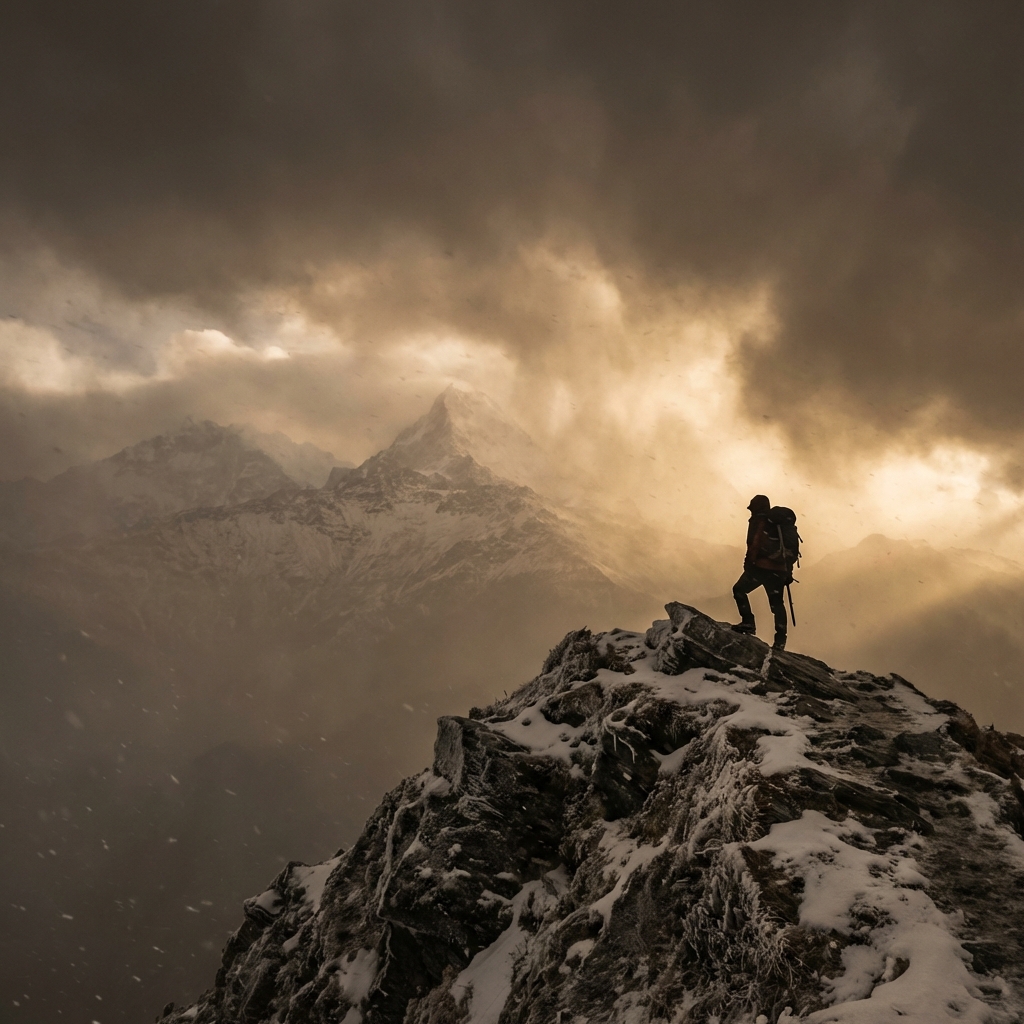
At 4,800 meters on Thorong La Pass, I watched a 28-year-old from Colorado vomit blood.
Not a little. Enough to stain the snow pink for three feet. He'd ignored the headache for two days. Pushed through because his flight home was booked. His girlfriend was screaming. And the nearest helicopter evacuation point was a five-hour descent in conditions that were closing fast.
He survived. But not because of any preparation. Because a German doctor happened to be on the same trail that day and carried dexamethasone. Pure luck.
This happened in 2019. I think about it every time some blogger writes "the Annapurna Circuit is great for beginners!"
The Reality Check
High-altitude trekking in Nepal is not a hike. It's an endurance event with real death risks. Between 2014 and 2024, the Annapurna region averaged 7.2 fatalities per year. Everest Base Camp is worse. These aren't freak accidents — they're altitude sickness that escalates because people don't understand the warning signs.
This article is NOT for: Anyone looking for feel-good trek inspiration. Or people who want to hear that "anyone can do it with basic fitness."
The uncomfortable truth: Most trek fatalities involve people who were "fit." Being able to run a 5K has zero relevance at 5,000 meters. Your lungs are operating at 50% oxygen. Your red blood cell count hasn't adapted. And your cardiovascular fitness from sea level? Irrelevant.
From my 15 years organizing Nepal expeditions — including 50+ personal treks across the Himalayas — I've seen patterns that blogs don't discuss because it's bad for business.
The "Fitness" Trap That Kills People
Here's the most dangerous lie in adventure travel: "You just need to be moderately fit."
No. You need to be adaptable.
I've watched ultra-marathon runners collapse at 4,500 meters while 55-year-old chain smokers strolled past them. Altitude doesn't care about your VO2 max. It cares about three things:
- Genetic predisposition. Some people acclimatize fast. Others don't. There's no way to know until you're there.
- Ascent rate. Go too fast, altitude sickness. No exceptions.
- Hydration and rest. Basic, but ignored constantly.
A pattern I've seen in 300+ altitude cases: The ones who get sick fastest are young, fit men between 20-35 who refuse to slow down. They see acclimatization days as weakness. They push when their body screams stop. And they end up on helicopter evacuations that cost $5,000-15,000.
The Case That Changed My Approach
Last year, a software engineer from San Francisco came to us planning Everest Base Camp. Ran marathons. Did CrossFit five days a week. Premium health insurance. Garmin watch tracking everything.
He tried the standard 12-day itinerary every agency sells. Perfect "fitness" on paper.
We did something different: Added three extra acclimatization days. Capped daily altitude gain at 400 meters above 3,500m. Required hourly oxygen saturation checks.
He called it "overkill" before the trek. Afterward? "I saw four people helicoptered out. All of them looked fitter than me."
Result: Zero symptoms. Zero issues. Completed the trek feeling strong.
The 15-day version we recommended cost $200 more than the standard 12-day rush job. The helicopter insurance he almost skipped? $80. The peace of mind? Incalculable.
What Actually Matters (Going Deep)
I'm going to give you the full breakdown on the one thing that determines trek outcomes. Everything else is noise.
The Altitude Sickness Reality
Acute Mountain Sickness (AMS) isn't optional. If you go above 2,500 meters, you have a 25% chance of experiencing symptoms. Above 4,500 meters? That number hits 75%.
The symptoms everyone knows: Headache, nausea, fatigue.
The symptoms that actually kill: Confusion, ataxia (stumbling like you're drunk), persistent dry cough, and — here's the critical one — insistence that you're fine when you're clearly not.
This is called High Altitude Cerebral Edema (HACE). Your brain is swelling. Your judgment is the first thing compromised. So the sicker you get, the more convinced you become that you're not sick.
I've literally watched people who couldn't walk straight argue that they could handle two more hours of ascent. The brain lies to you at altitude.
The only treatment: Immediate descent. Not Diamox. Not rest. Descent. Every hour you delay increases the risk of permanent brain damage or death.
The "Diamox Debate"
Every forum asks: "Should I take Diamox (acetazolamide)?"
Here's my direct answer, no hedging: If your itinerary includes any pass above 5,000 meters and you haven't trekked at altitude before, take it.
Yes, it has side effects. Tingling fingers. Increased urination. Weird taste with carbonated drinks. None of these matter compared to pulmonary or cerebral edema.
The people who refuse Diamox on "natural" principle? I've evacuated three of them personally. The people who took it prophylactically? Zero evacuations in my entire career.
But here's what the prescription advice misses: Diamox is not permission to push harder. It masks symptoms. You can have altitude sickness while taking Diamox. You just won't feel the warning signs as clearly.
The protocol we use: Diamox starts 24 hours before ascending above 2,500m. 125mg twice daily. Continue until 48 hours after reaching maximum altitude. And — this is critical — still follow conservative ascent rates regardless.
The Quick Hits
Don't need full sections for these:
Guides aren't all equal. A $25/day local hire is not the same as a $75/day certified guide with wilderness first aid training. When things go wrong at 5,000 meters, that training is the difference between life and death. Pay up.
Tea house treks aren't "roughing it." You get a bed, hot meals, and often charging stations. Stop pretending this is survival camping. It's not. Adjust expectations accordingly.
Porter ethics matter. If your agency lets porters carry over 25kg without proper cold-weather gear, find another agency. The exploitation is real and endemic. Ask to see porter equipment before you book.
Travel insurance requires altitude coverage. Standard policies exclude above 4,000m or 5,000m. Read the fine print. Get the adventure rider. Don't be the person who discovers this after the helicopter bill arrives.
The Monday Morning Prep
If you're serious about a Himalayan trek:
- Get a pulse oximeter. $25 on Amazon. Learn your baseline blood oxygen. Normal is 95-100% at sea level.
- Do a training hike with a weighted pack. 10kg for 8+ hours. If that wrecks you, you're not ready.
- Book the longer itinerary. Whatever the minimum days advertised, add 20%. Acclimatization beats Instagram timelines.
- Have an evacuation plan before you go. Know where the heli pads are. Know how your insurance handles claims. Know the satellite phone number.
And look, I'll say this bluntly: if you can't afford proper insurance and a competent guide, you can't afford this trek. Go somewhere with lower altitude and better infrastructure. There's no shame in that. The shame is in putting underpaid rescue teams at risk because of ego.
The Weird Opinion
Side note: I think people who wear jeans on multi-day treks are chaotic agents and I don't trust them. Cotton at altitude is genuinely dangerous — it loses all insulation when wet — but that's not even my real objection. It's the mindset. If you didn't research what to wear, what else didn't you prepare for?
That said, I've seen it work once. Austrian guy. Five-day trek in denim. No issues. I still don't understand it.
Quick FAQs
What's the easiest high-altitude trek in Nepal? Poon Hill. Stays below 3,210m. Minimal altitude concerns but still offers panoramic Himalayan views. Start there if you're uncertain.
Can I do Everest Base Camp without a guide? Technically yes. Practically, I wouldn't recommend it. Route-finding above Gorak Shep is confusing, and if you get sick alone, options are limited.
How early should I book a Himalayan trek? For peak seasons (October-November, March-April), book permits and guides 2-3 months ahead. Off-season you can show up with a week's notice.