Dior Fahrenheit: The Complete Vintage Guide & Reformulation History (1988-2025)
Note: For general tips on dating packaging (barcodes, EMB codes) and storage, see our Vintage Perfume Collector's Handbook.
Dior Fahrenheit: The Legend of Gasoline and Violet
Launched in 1988, Dior Fahrenheit shocked the world. Unlike the fresh fougères of the 80s, it smelled of burning woods and... gasoline.
This controversial "barrel note" (a result of a unique violet leaf and leather accord) created a legend. But like all legends, it has changed. Reformulations in 2002, 2007, and 2012 have altered the scent profile significantly.
This guide consolidates decades of research to help you identify the "true" vintage Fahrenheit and understand its evolution.
Table of Contents
- The Timeline: Evolution of the Scent (1988–2025)
- Visual Identification: Spotting the Original (1988–1991)
- The Three Major Eras
- Reformulation History
Section 1: The Timeline (Evolution of the Scent)
Based on a comparative review of 10 different batches spanning 25 years:
| Era | Characteristics |
|---|---|
| 1988–2001 | The King. Strong "Gasoline/Petroleum" note, deep burnt woods drydown, nuclear longevity. All bottles from this era are considered "Vintage" and highly sought after. |
| 2002–2006 | The Transition. The "gasoline" note is still present but slightly "watered down". Still excellent, but lacks the nuclear depth of the 90s bottles. |
| 2007–2012 | The Reformulation. Significant changes. The scent becomes more floral, less leathery. |
| 2013–Present | The Vanilla Turn. A sweet, vanilla-like note appears. The "gasoline" is almost gone. It's a modern, pleasant scent, but a different beast from the 1988 original. |
Section 2: Visual Identification (Spotting the Original)
Identifying a 1988-1991 bottle requires specific visual checks.
1. The Box (1988-2002)
- Design: Look for the "Red/Burning Planet" design.
- Address:
- 1988–1991: "30 Avenue Hoche" (The Holy Grail).
- Post-1991: "33 Avenue Hoche".
- No Barcode: Boxes before ~1991 often lack a printed barcode (it was on the cellophane).
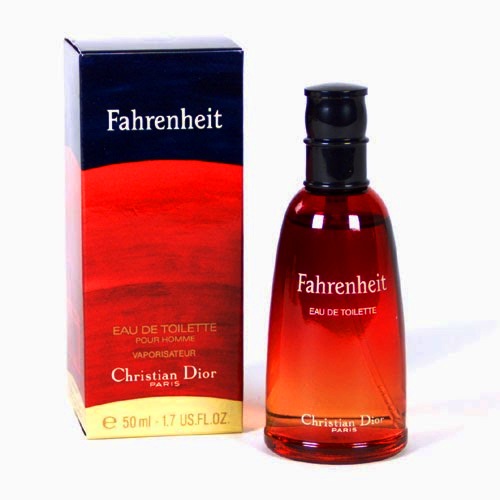
2. The Bottle
- Logo: "Christian Dior" (white text) on the bottom front. (Modern bottles just say "Dior").
- Cap: The vintage cap is rounded/curvy on top. Modern caps are flatter.
- Bottom Label: Look for the blue text on a clear stickers.
- Pre-1996: Mentions "Alc. 88% vol." or similar. Later bottles removed the alcohol percentage.
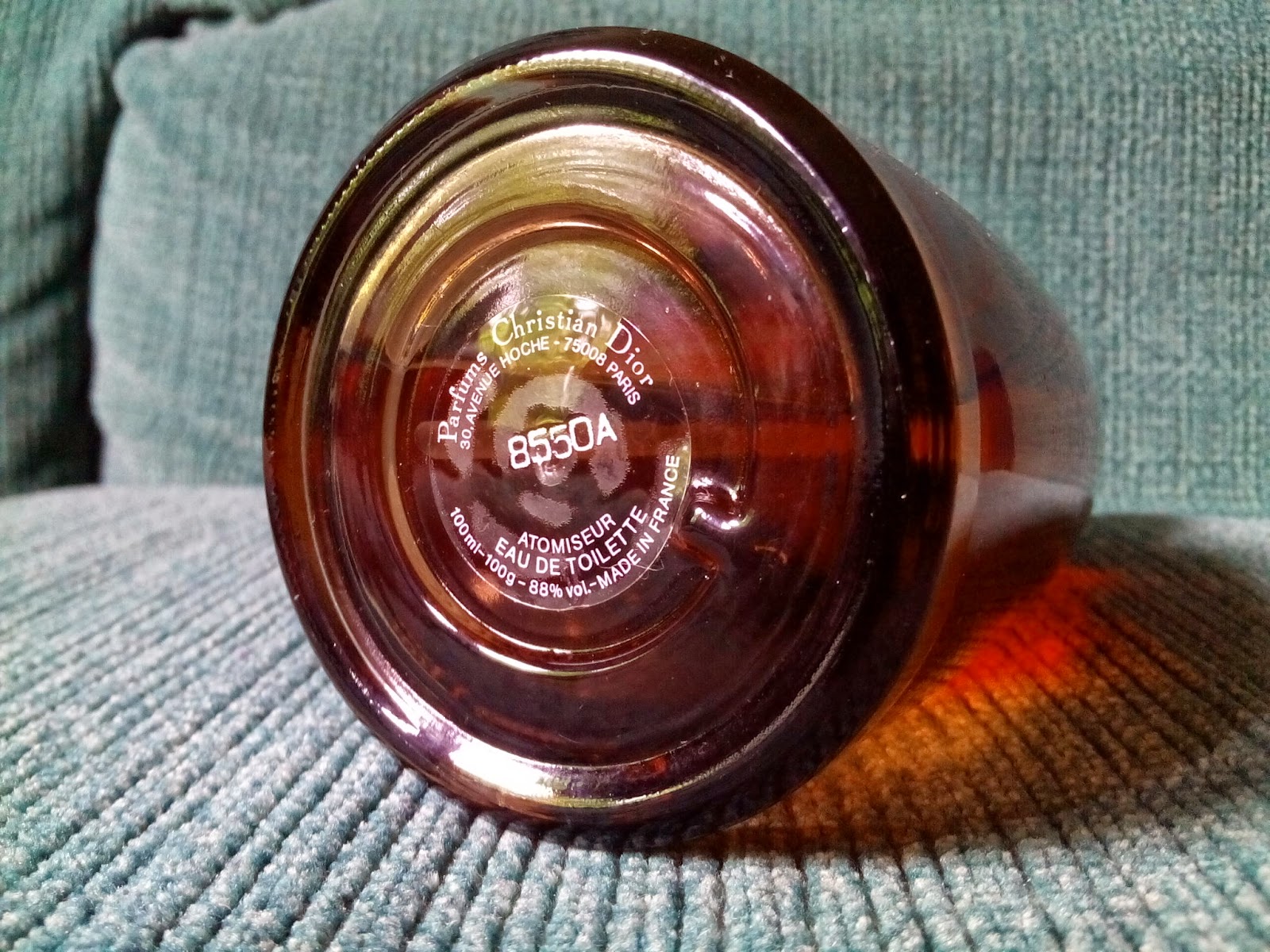
Section 3: The Major Bottle Versions
Type 1: The Legend (1988–2002)
- Box: Red/Blue "Planet" horizon.
- Logo: "Christian Dior".
- Caps: Rounded.
- Fragrance: Full gasoline power.
Type 2: The Red Dior (2002–2005)
- Box: Completely new design. Black border removed.
- Logo: Word "Dior" written in RED on the upper part of the box.
- Scent: The first major noticeable change. Lighter.
Type 3: The Silver Dior (2005–2006)
- Box: "Dior" written in SILVER, moved to the lower part.
- Ingredients: Long list of ingredients appears on the back.
Type 4: The Modern Era (2007–Present)
- Box: "Eau de Toilette" written in red in the middle.
- Logo: Bottle says only "Dior" (no "Christian").
- Cap: Redesigned, flatter top.
Section 4: Reformulation History
The Formula Codes:
- 1988–2001: No formula number (or diverse early codes).
- Up to 2008: Formula
01881/A. - Up to 2014: Formula
04777/A. - Since 2015: Formula
09588/A(Current).
Pro Tip: If you want the "Gasoline" note, buy any bottle produced before 2002. If you want a wearable, modern version that pays homage to the original, the current version is safe, but expect more vanilla and violet sweetness.
Images courtesy of Raiders of the Lost Scent private collection.